Sustainable Farming & Youth Empowerment
At Osiligi Farm, sustainability is not just a farming method, it's a way of life and a powerful tool for transformation.
Every system on the farm is intentionally designed to work in cycles, where nothing is wasted and every element contributes to learning and growth. We equip young men with the skills, values, and mindset they need to become environmental stewards, responsible citizens, and providers in their communities.
1. Deep Water Culture (Hydroponics)
How it works:
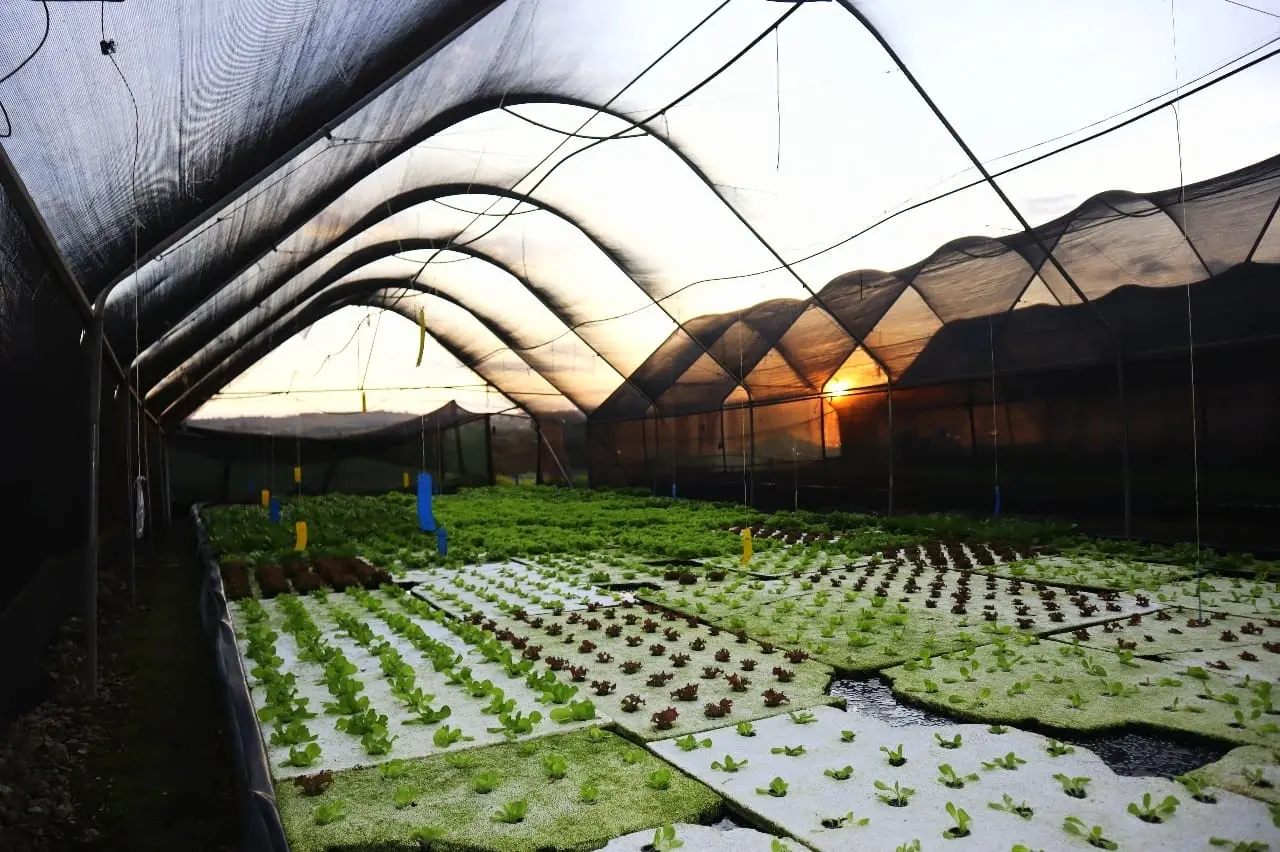
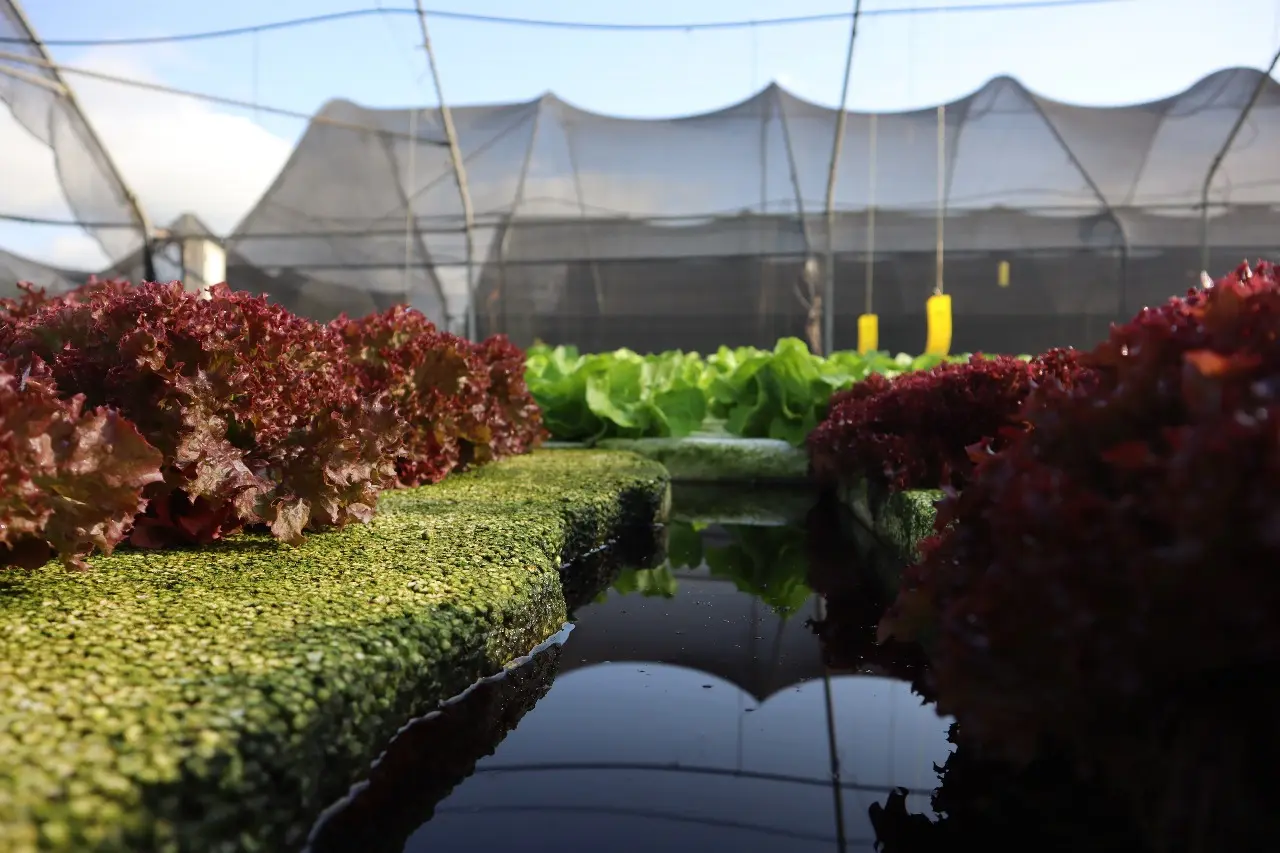
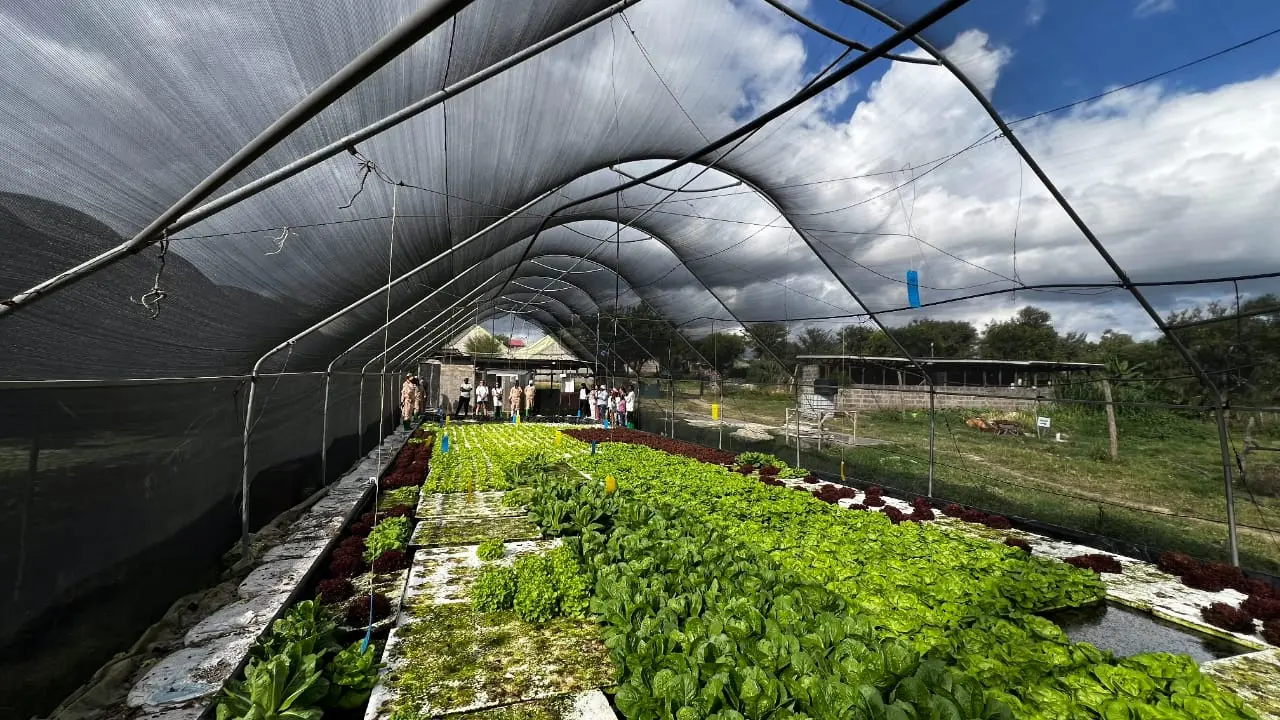
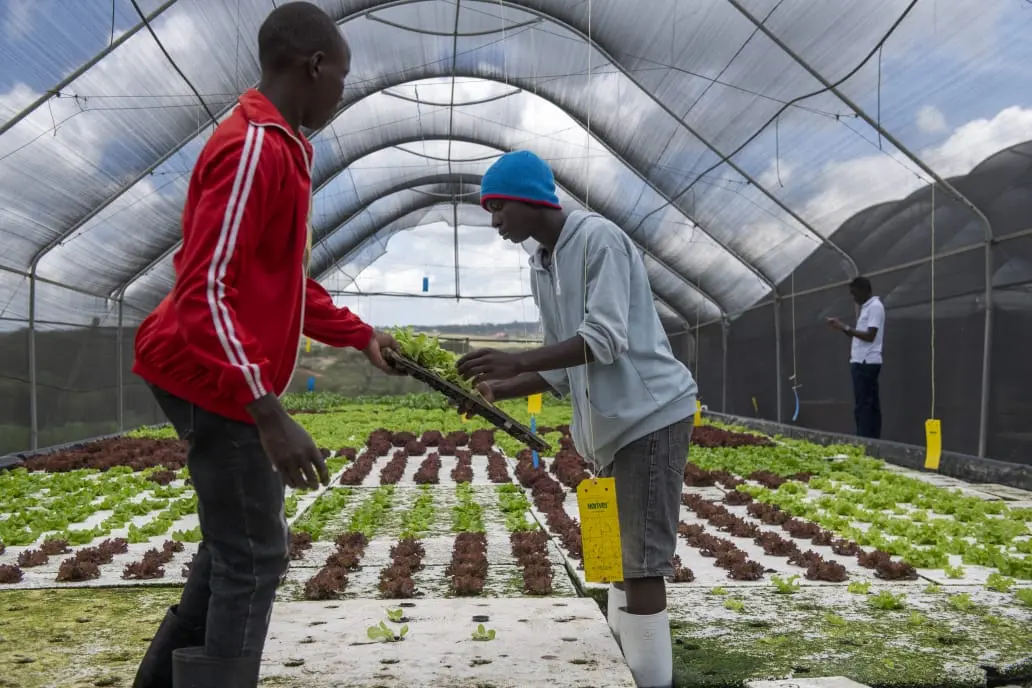
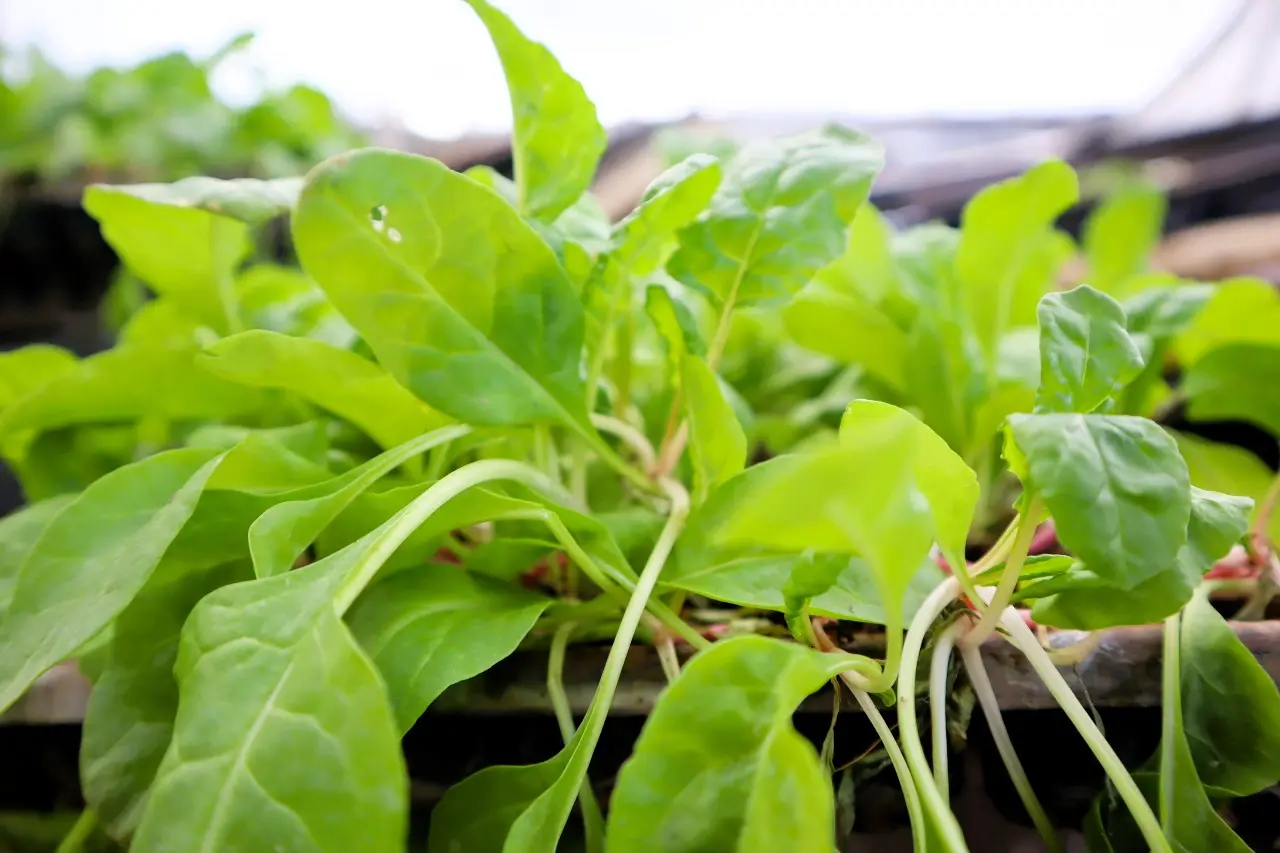
Plants are grown without soil in water that's enriched with essential nutrients. The roots are suspended in water while oxygen is pumped in for healthy growth. We grow vegetables like lettuce, spinach, and sukuma wiki year-round.
Why it's sustainable:
- Uses up to 90% less water than soil farming
- No need for chemical fertilizers as nutrient water is reused
- Produces healthy crops faster and with less land
What youth learn:
- Water management
- Plant nutrition
- Modern food production
- The value of resource efficiency
2. Greenhouse Farming
How it works:
Plants grow in covered, controlled environments where temperature, light, and humidity are optimized. We grow tomatoes, capsicum, herbs, and other high-value crops.
Why it's sustainable:
- Less exposure to pests
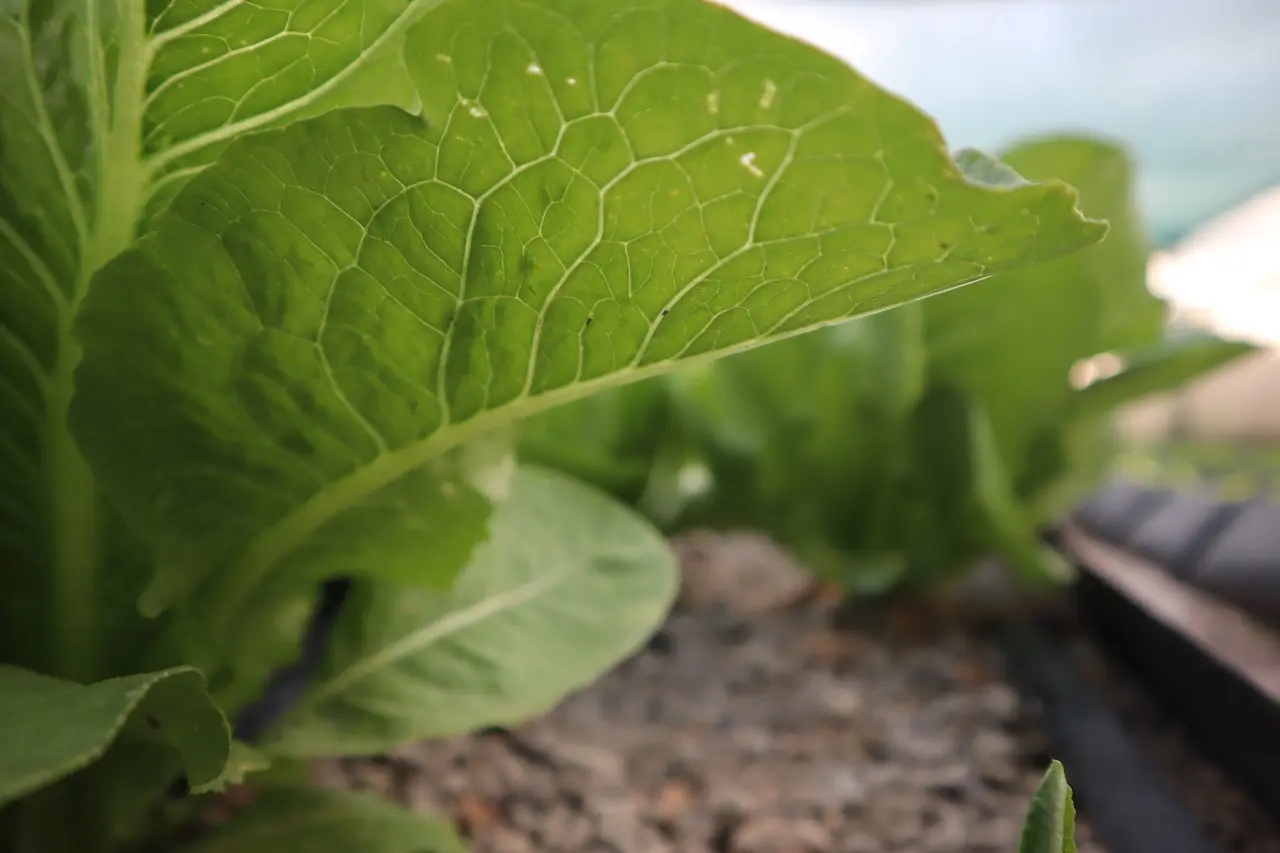
- Uses drip irrigation for minimal water waste
- Produces more per square meter than open fields
What youth learn:
- Managing a controlled climate
- Monitoring growth and yields
- Smart pest and disease control
- Business skills from marketable crops
3. Black Soldier Fly (BSF) Farming
How it works:
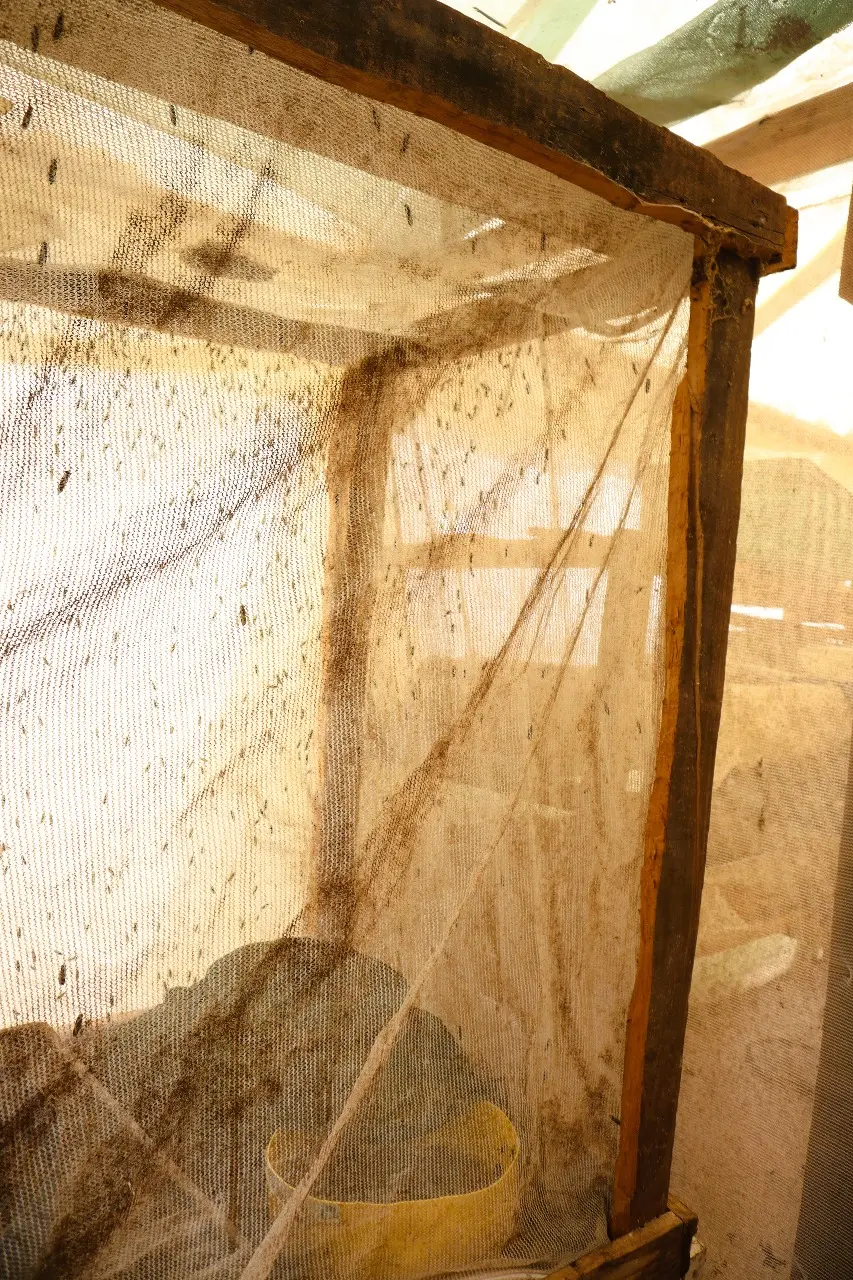
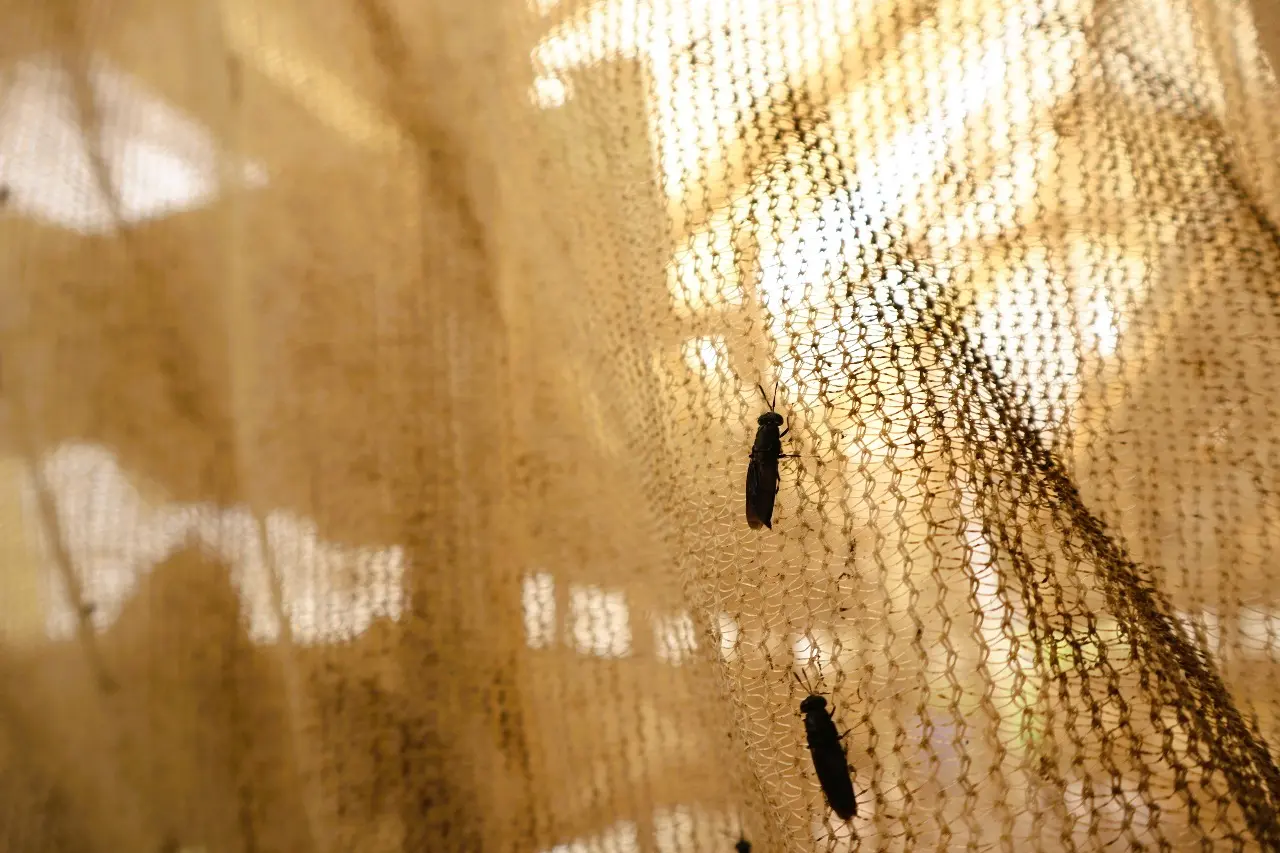
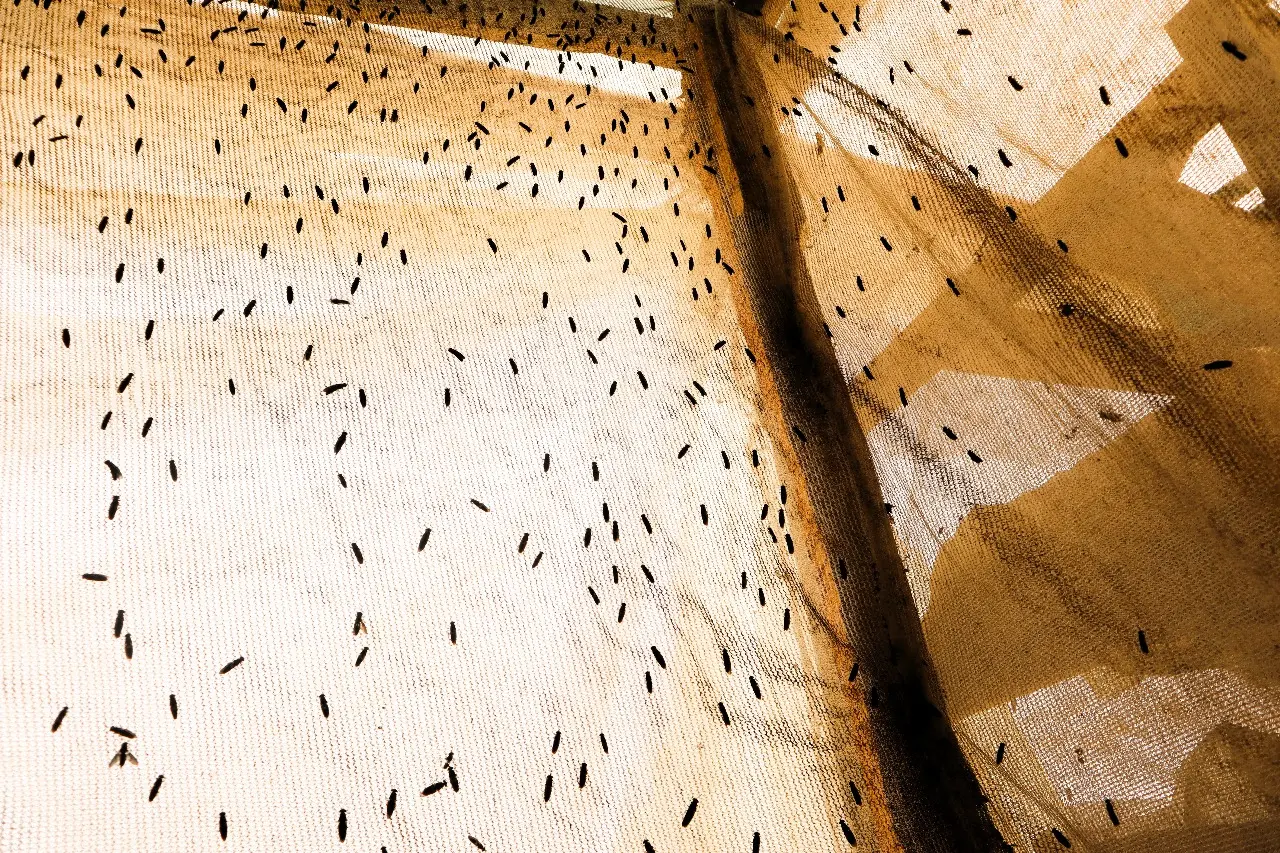
Organic food waste from the farm and kitchen is fed to BSF larvae. The larvae grow quickly and are harvested as high-protein feed. Their waste, called frass, is used as organic fertilizer. Some larvae are left to mature into flies, restarting the cycle.
Why it's sustainable:
- Zero-waste system as we turn waste into valuable protein
- Reduces the need to buy commercial animal feed
- Excrement enriches soil naturally without chemicals
What youth learn:
- Waste recovery & circular systems
- Protein production for livestock
- Natural fertilizer production
- Insect life cycles & breeding
4. Pig Integration System
How it works:
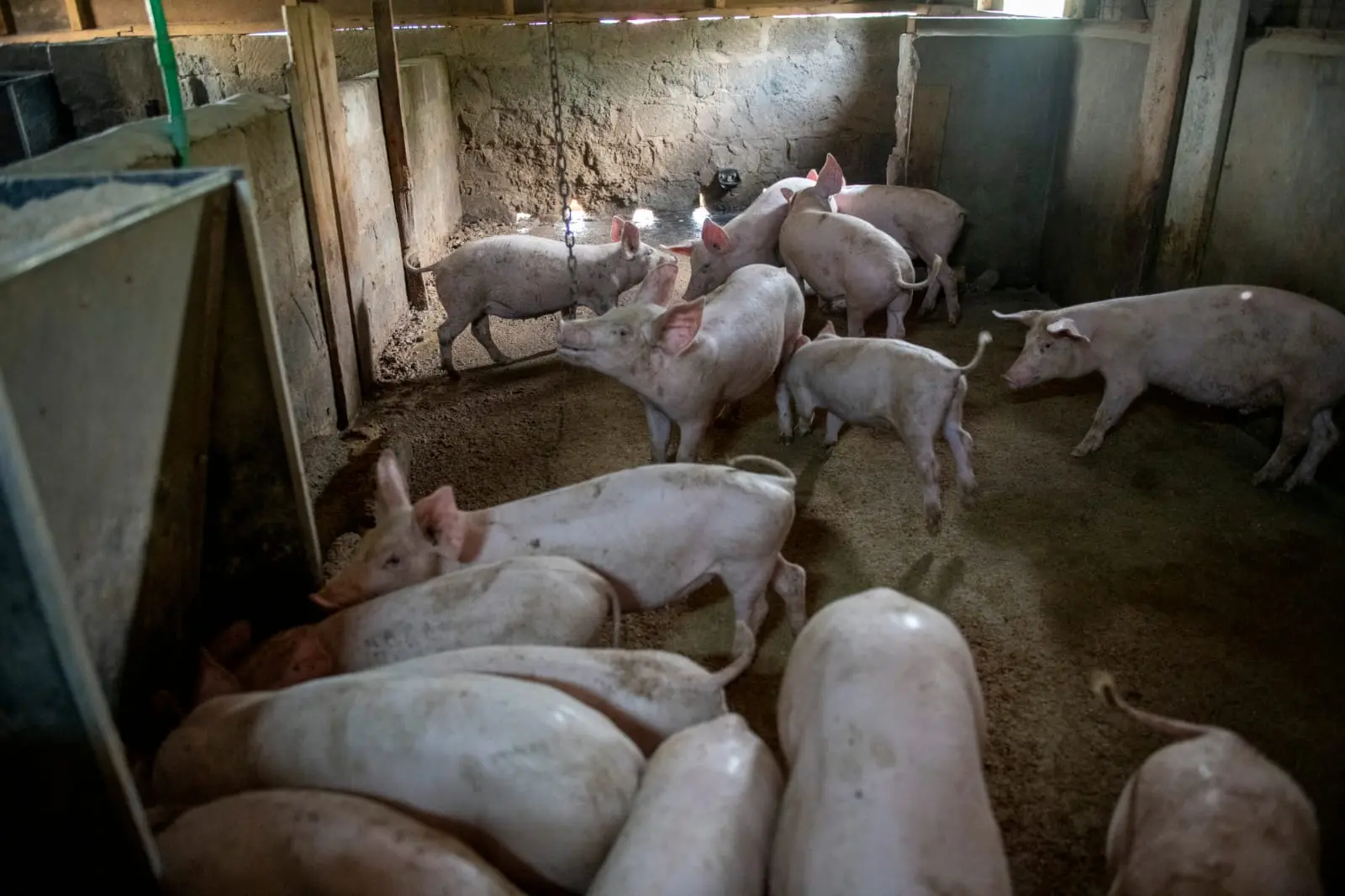
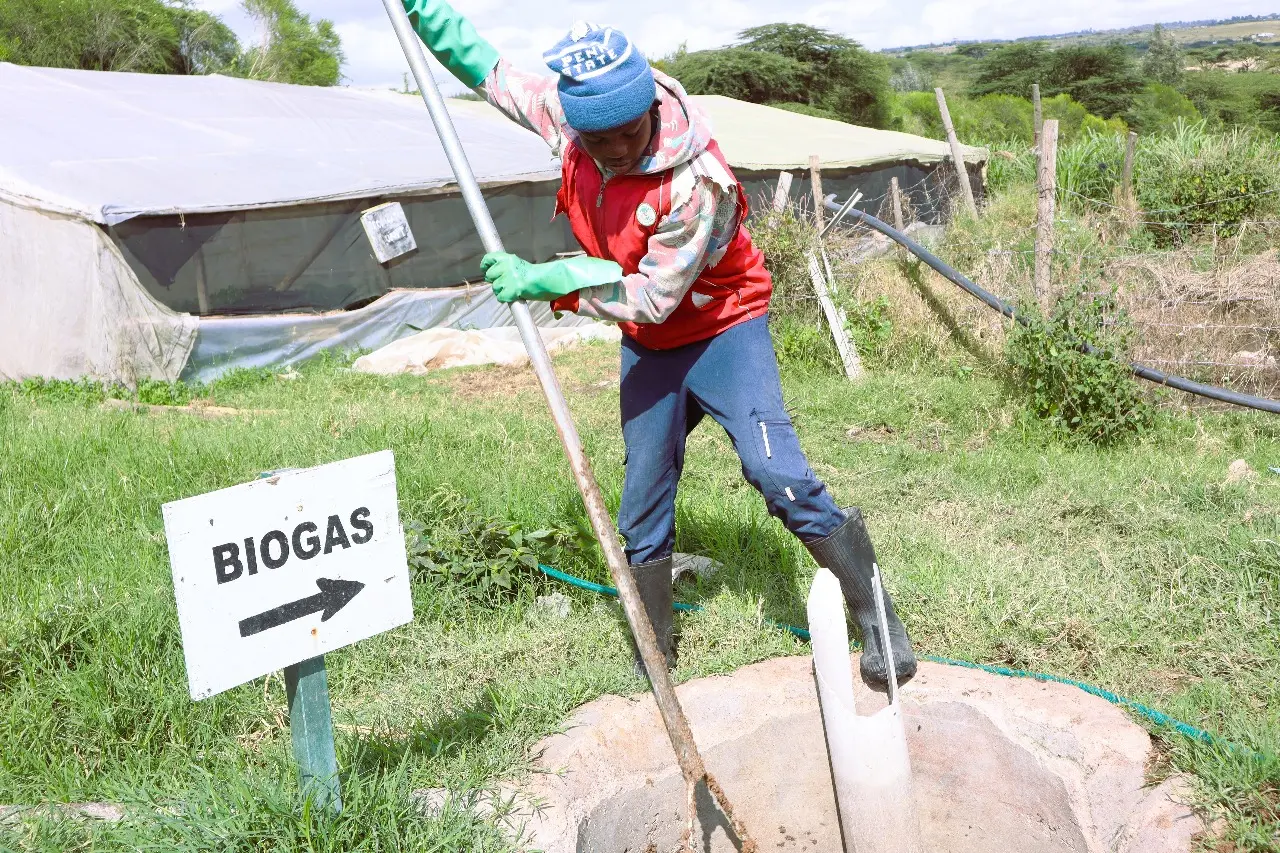
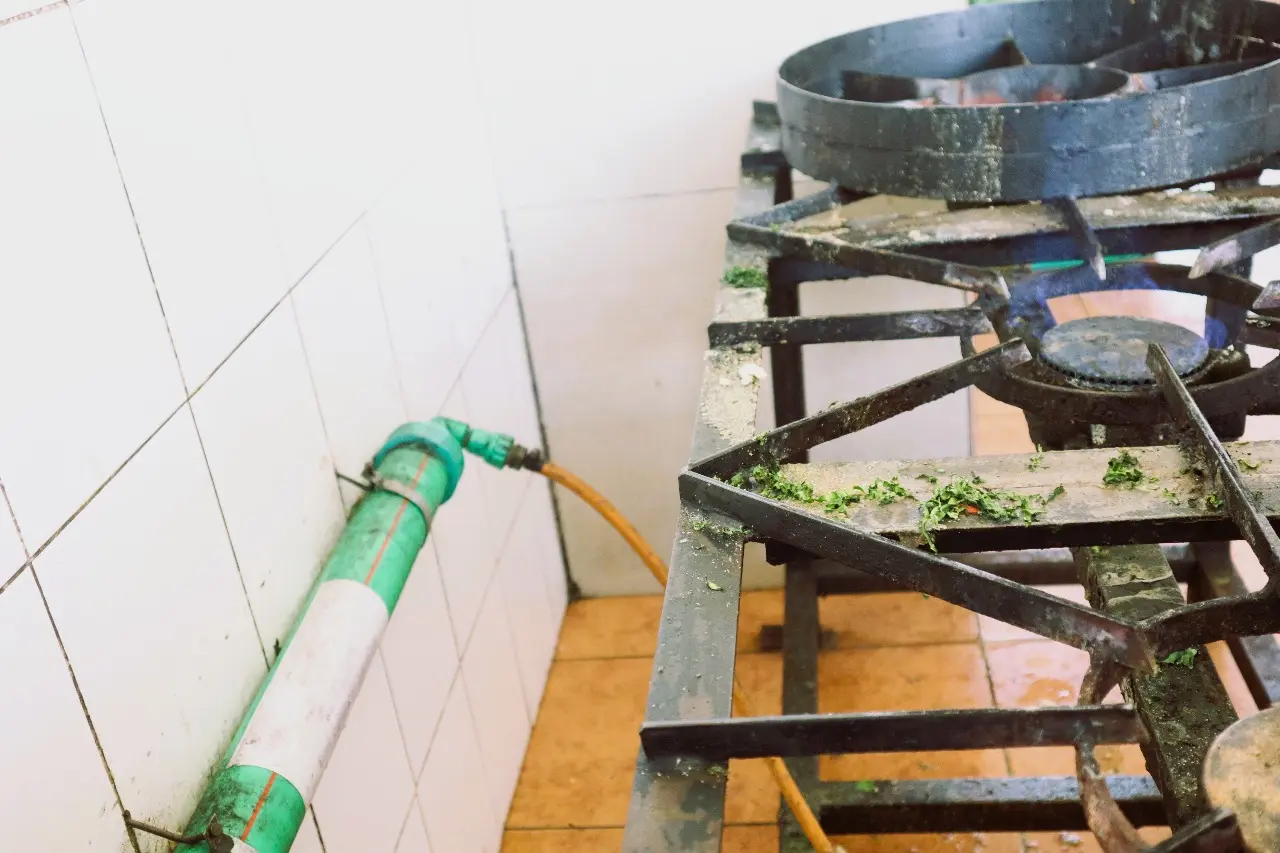
In addition to pig food, pigs are fed BSF larvae, food scraps, and leftover crops. Their manure is collected and processed through a biogas digester, which produces clean biogas for cooking or heating, liquid fertilizer for crops, and compost for garden beds.
Why it's sustainable:
- Nothing is wasted as everything goes back into the farm
- Reduces firewood use through biogas
- Cuts cost on commercial fertilizer
What youth learn:
- Animal husbandry
- Feed formulation from farm inputs
- Waste-to-energy principles
- Biogas system management
5. Pumice Farming (Soil-less Agriculture)
How it works:
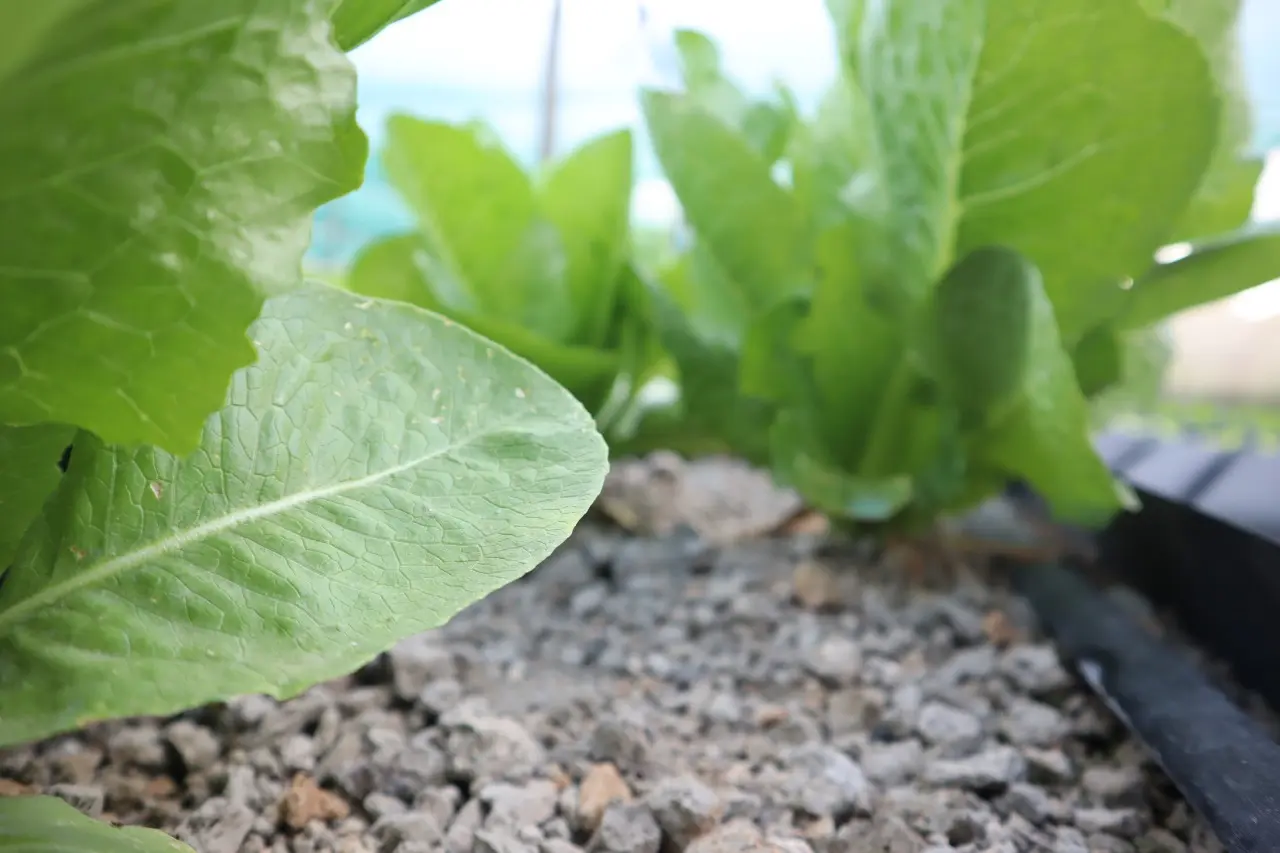
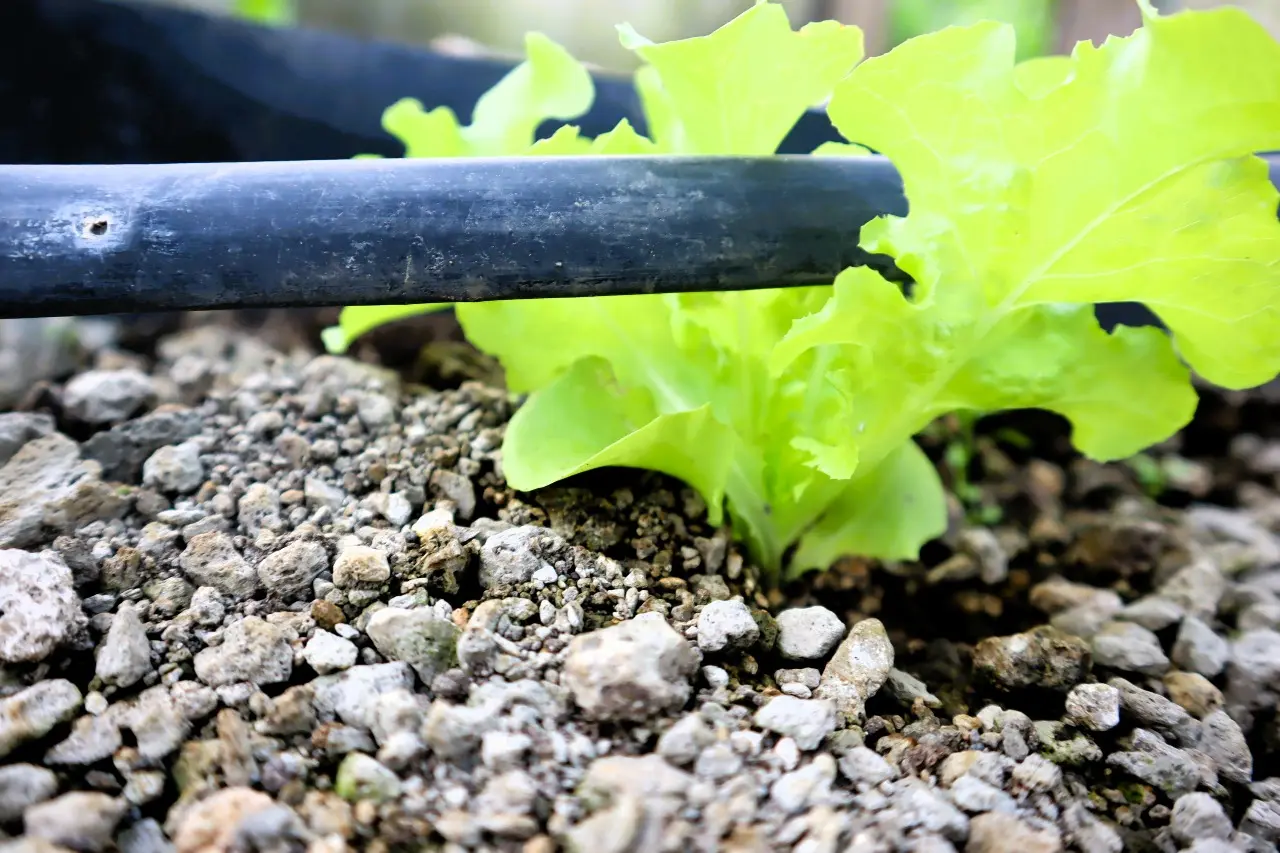
Plants grow in pumice stone beds, which retain moisture and provide root support. These beds are irrigated with nutrient-rich water from compost or aquaculture.
Why it's sustainable:
- Saves water compared to traditional soil beds
- Prevents soil erosion and nutrient runoff
- Reuses waste water from other systems
What youth learn:
- Low-input crop growing
- Soil alternatives for dry areas
- Smart irrigation techniques
6. Seed Propagation & Nursery
How it works:
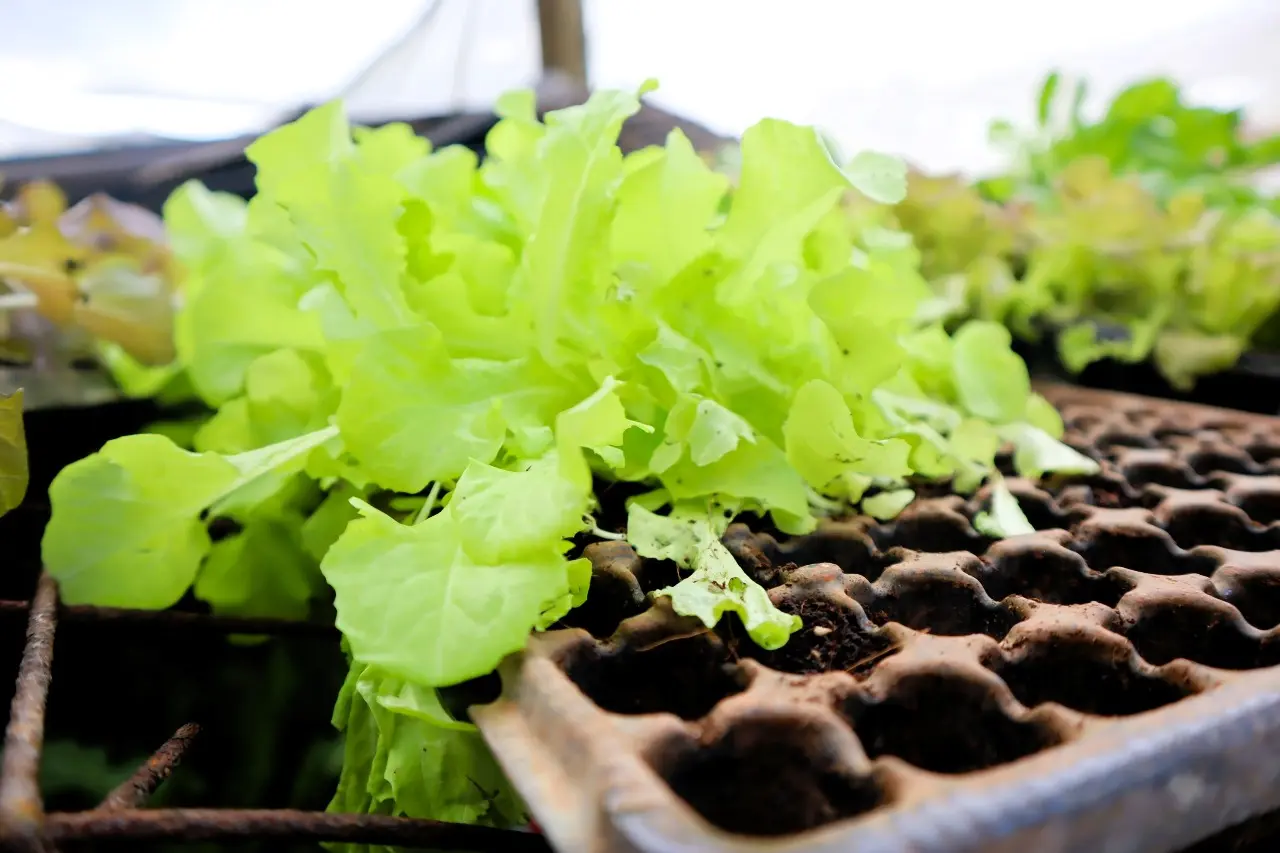
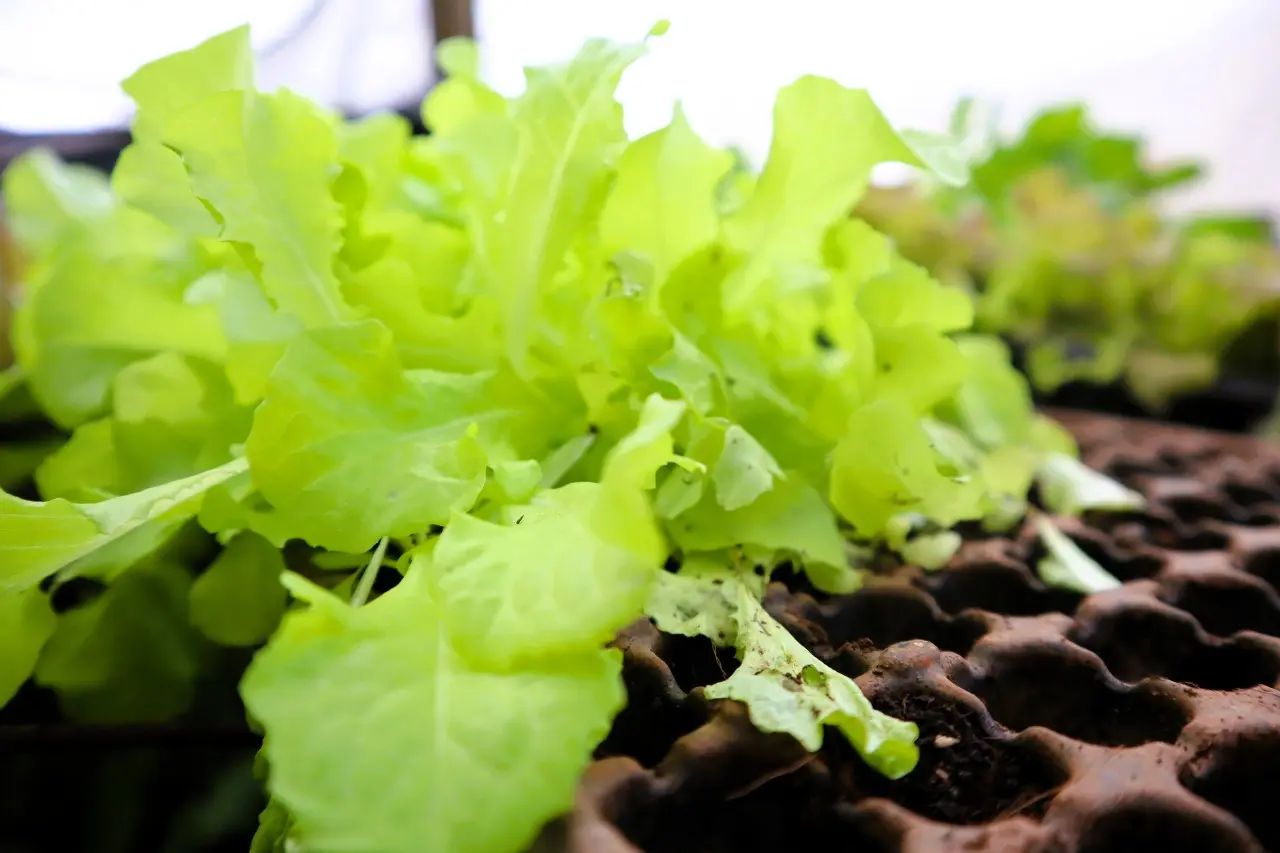
Seeds are started in trays or small containers using compost or coco peat. Once strong, they're transplanted into gardens, greenhouses, or hydroponic systems.
Why it's sustainable:
- Maximizes germination success with fewer seeds
- Reduces transplant shock = healthier plants
- Encourages recycling of nursery containers
What youth learn:
- Plant life cycles
- Careful seed handling
- Resourceful nursery management
7. Azolla Farming
How it works:
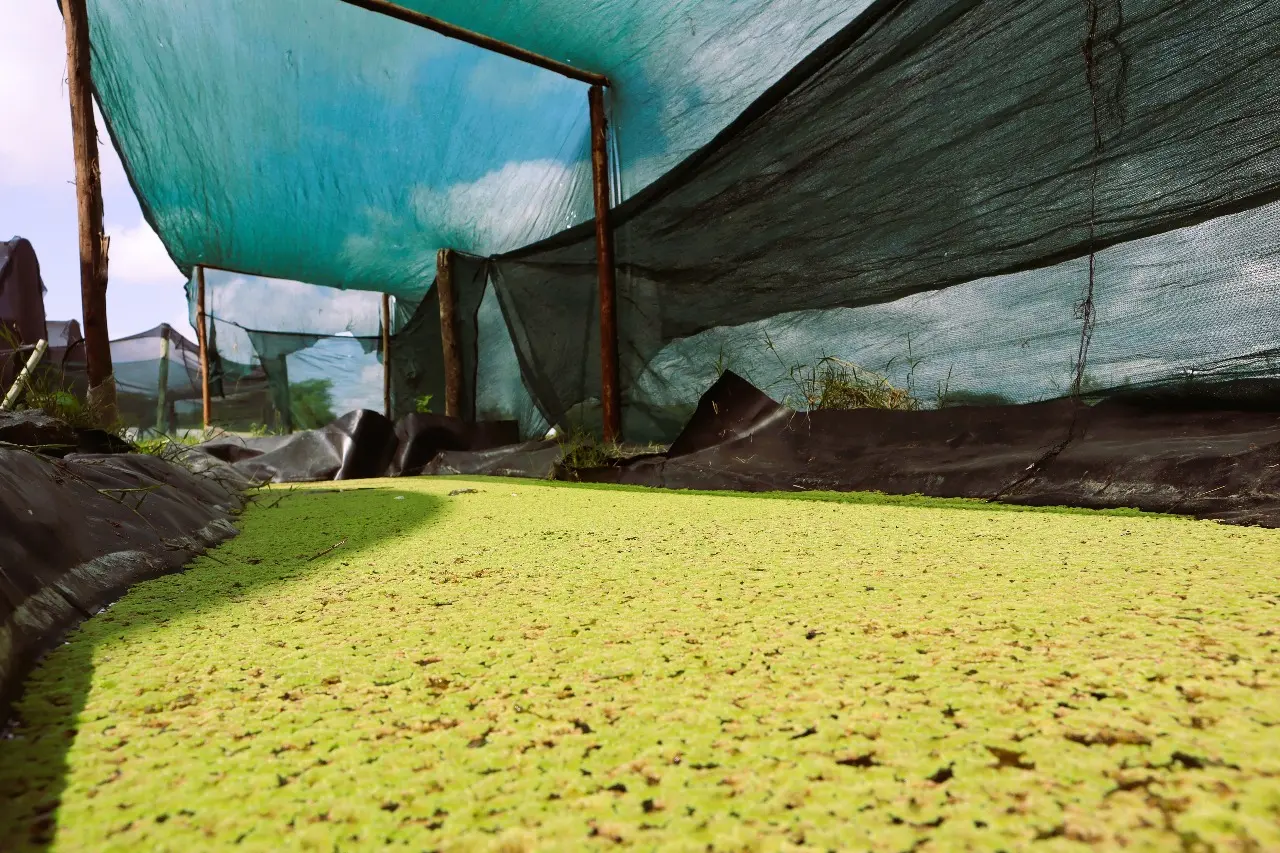
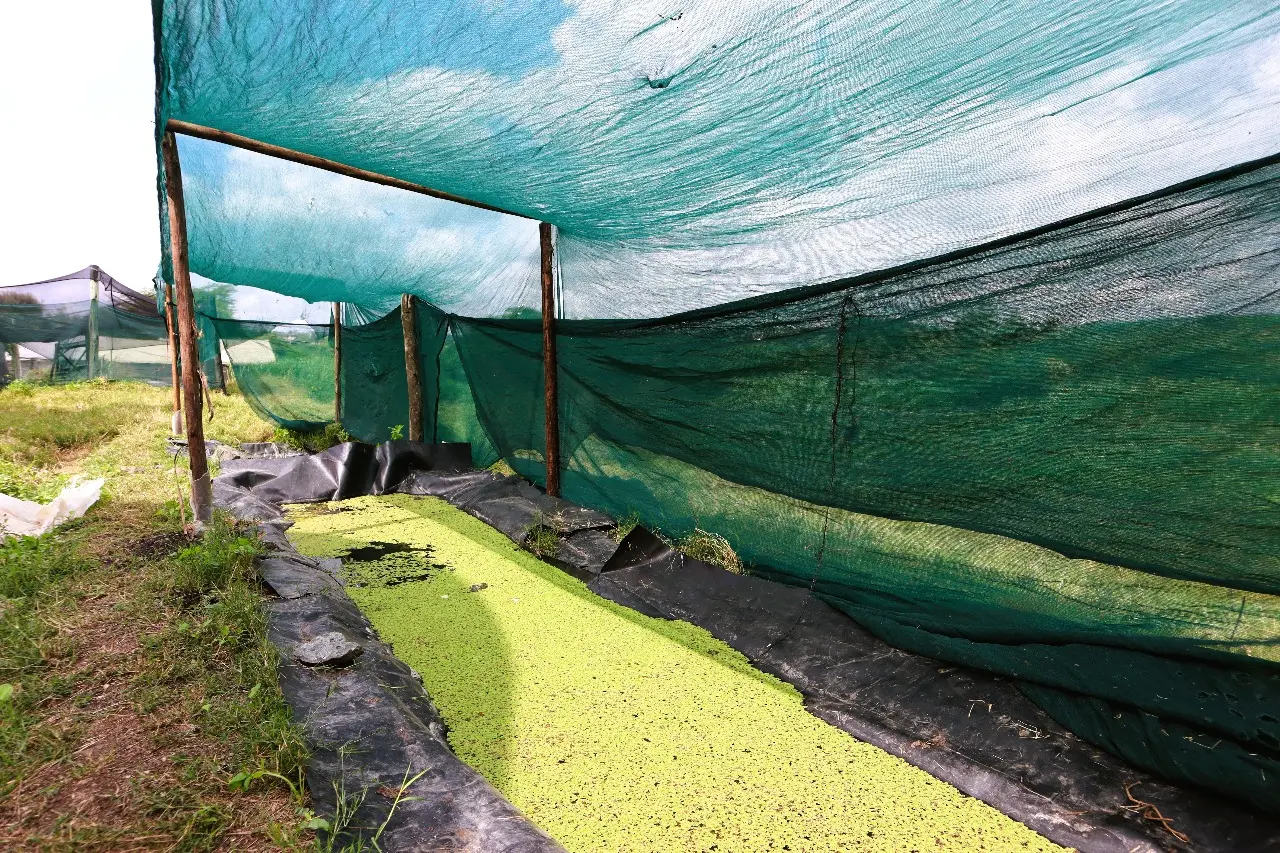
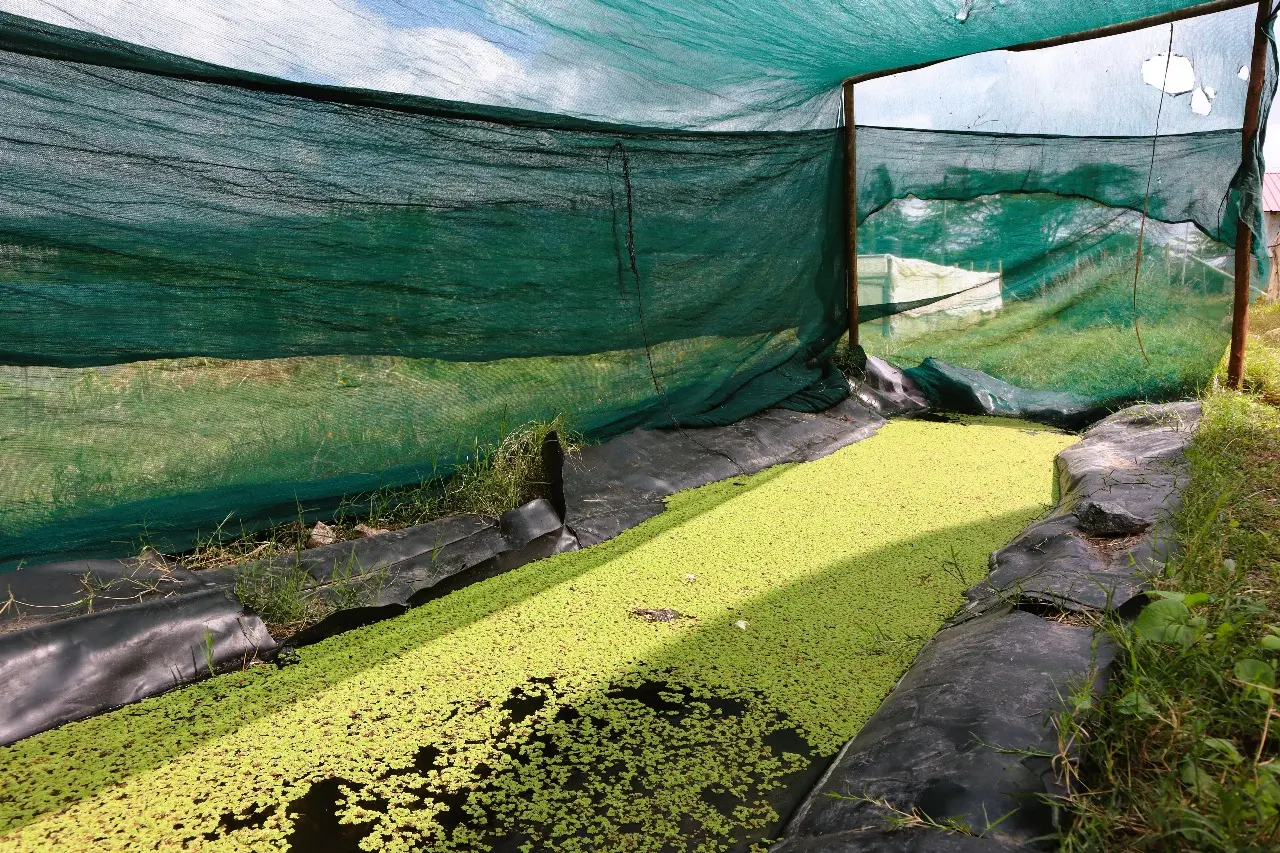
Azolla is a floating, fast-growing plant grown in shallow ponds. It's harvested and fed to fish. The water it grows in becomes nutrient-rich and can be reused for irrigation.
Why it's sustainable:
- High in protein = replaces store-bought feed
- Fast-growing with low inputs
- Improves water nutrient value
What youth learn:
- Aquatic plant management
- Affordable animal feed options
- Simple systems for food security
The Connected Circular Ecosystem
At Osiligi, every part of the farm feeds into another, creating a natural learning ecosystem.
Circular
Ecosystem
Kitchen & Farm Waste
Feeds BSF larvae
BSF Larvae
Feed pigs, chickens, fish
Pig Waste
Powers biogas and enriches soil
Biogas Byproduct & Frass
Used in hydroponics & gardens
Crops & Plants
Feed people and livestock
This is how we teach true sustainability: not only how to farm, but how to think in systems, care for the earth, and build circular economies that empower youth and communities alike.